As education continues to evolve in the 21st century, the debate around homework has become increasingly nuanced. Once considered a cornerstone of academic discipline, homework is now under scrutiny by educators, parents, and students alike. With growing emphasis on holistic development, well-being, and differentiated instruction, the future of homework is being reimagined across schools in Ontario and beyond.
Rethinking the Purpose of Homework
Traditionally, homework was seen as a necessary extension of classroom learning and a way to reinforce concepts and cultivate discipline. However, contemporary research suggests that its effectiveness varies significantly depending on the student’s age, the quality of the assignment, and the context in which it is completed. For younger students, especially at the elementary level, research has shown that the type and purpose of homework significantly impact its effectiveness. While unstructured or excessive assignments may offer limited academic gains, thoughtfully designed tasks such as reading practice, foundational skill-building, or light reinforcement can support the development of time management, independent learning, and responsibility. These habits are essential in preparing students for long-term academic success.
Personalized Learning and Academic Balance
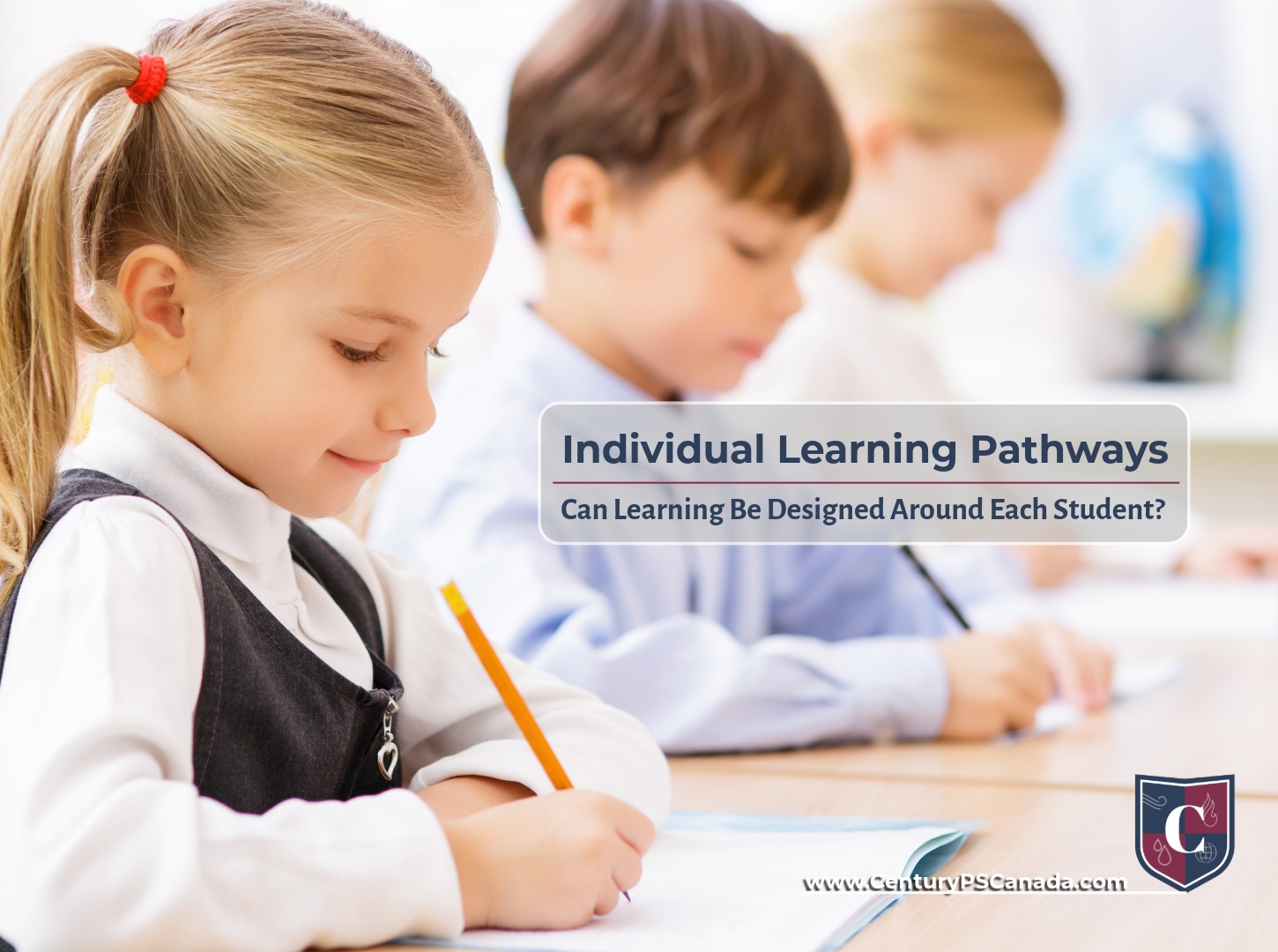
In today’s educational landscape, schools are increasingly adopting personalized learning approaches. These strategies aim to meet students where they are, respecting their unique learning styles, needs, and home environments. Homework policies that prioritize flexibility, student choice, and purposeful tasks are gaining traction, especially in progressive and independent school environments. These practices support academic excellence while acknowledging the importance of mental health and life balance.
Emphasis on Skill-Building, Not Just Repetition
The shift away from rote assignments and toward skill-based projects reflects a broader transformation in curriculum design. Rather than focusing solely on quantity, forward-thinking educators are exploring assignments that promote inquiry, creativity, and real-world application. Whether through collaborative projects, research-based exploration, or reflective journals, the goal is to make homework meaningful and engaging.

Technology and the Hybrid Learning Era
The integration of digital tools in classrooms has also reshaped homework. With access to online platforms, students can now engage in interactive, self-paced learning at home. This model encourages autonomy while providing teachers with actionable insights into student progress. Moreover, virtual collaboration tools allow for peer interaction beyond the classroom, promoting communication and teamwork skills essential for future success.
The Road Ahead: Intentional and Inclusive Practices
While the question “Do students really need homework?” does not have a one-size-fits-all answer, it does invite educators to revisit their instructional goals. As we look to the future, it becomes clear that a thoughtful, intentional approach to homework is essential.
In this reimagined landscape, the future of homework lies in its intentionality. When thoughtfully designed, homework can support student growth, reinforce key concepts, and cultivate a lifelong love of learning. The challenge and opportunity ahead are to ensure that it evolves in step with the broader goals of 21st-century education.
Century Private School is a leading private school in Richmond Hill, located in the Greater Toronto Area (GTA). Our commitment to academic excellence, innovation, and personalized learning reflects the values of independent education in Ontario. As one of the top private schools in Richmond Hill, we embrace future-ready practices that empower students to thrive in a rapidly changing world.
Be sure to follow us on Instagram and Facebook. If you have any questions about our facilities, contact us or sign up for a private tour here!